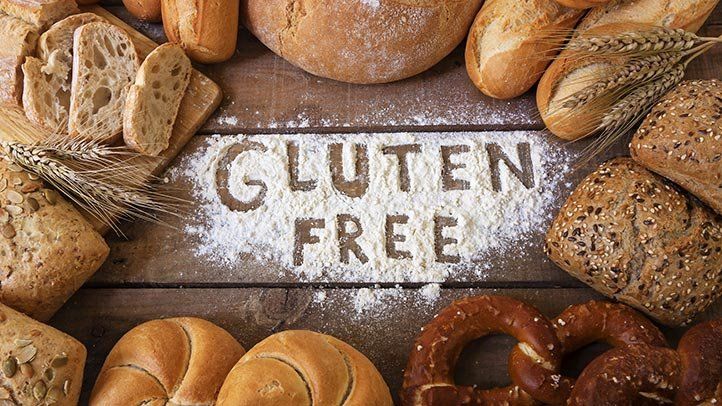
Are you considering a gluten-free lifestyle but feeling a little overwhelmed by all the information out there? Fear not, because we’re here to guide you through the basics of gluten-free living and help you embark on a journey to improved health and vitality. Whether you’re dealing with gluten sensitivity, celiac disease, or simply want to explore a new way of eating, this beginner’s guide will set you on the right path.
Understanding Gluten: What Is It and Why Go Gluten-Free?
Let’s start with the basics. Gluten is a protein found in wheat, barley, rye, and their derivatives. It’s what gives dough its elasticity, allowing bread and other baked goods to rise and maintain their shape. However, for some individuals, consuming gluten can lead to various health issues, including digestive discomfort, inflammation, and autoimmune reactions.
For those with celiac disease, an autoimmune disorder, even trace amounts of gluten can trigger an immune response that damages the lining of the small intestine. This can lead to malabsorption of nutrients and a range of symptoms, from abdominal pain to fatigue. Others may experience non-celiac gluten sensitivity, which manifests as similar symptoms but without the autoimmune component.
Making the Transition: Tips for a Smooth Start
- Educate Yourself: Arm yourself with knowledge about sources of gluten and common hidden ingredients. Familiarize yourself with naturally gluten-free foods like fruits, vegetables, lean proteins, nuts, and seeds.
- Read Labels Carefully: When shopping for packaged foods, scan labels for “gluten-free” certifications. Be cautious of cross-contamination, as even a small amount of gluten can cause issues for sensitive individuals.
- Focus on Whole Foods: Embrace naturally gluten-free whole foods like quinoa, brown rice, sweet potatoes, and legumes. These nutrient-rich options will provide you with essential vitamins and minerals.
- Experiment with Substitutes: Explore gluten-free flours like almond flour, coconut flour, and chickpea flour for baking. These substitutes can yield delicious and satisfying results.
- Cook at Home: Preparing your meals from scratch gives you full control over ingredients, flavors, and safety. Experiment with new recipes and discover your culinary talents.
- Be Mindful When Dining Out: Communicate your dietary needs to restaurant staff, ask about gluten-free options, and inquire about cross-contamination prevention practices.
Embracing the Gluten-Free Lifestyle: Benefits Beyond the Plate
Beyond the immediate dietary changes, adopting a gluten-free lifestyle can offer a range of benefits:
- Improved Digestion: Many individuals report reduced bloating, gas, and digestive discomfort after eliminating gluten from their diets.
- Increased Energy: Cutting out gluten-containing processed foods can lead to stabilized blood sugar levels and sustained energy throughout the day.
- Enhanced Nutrient Intake: A focus on whole, unprocessed foods can lead to a higher intake of essential nutrients, promoting overall health and well-being.
- Clearer Skin: Some people find that a gluten-free diet helps improve skin conditions such as acne and eczema.
- Better Mood and Mental Clarity: By supporting gut health and reducing inflammation, a gluten-free lifestyle can contribute to improved mood and cognitive function.
Final Thoughts
Embarking on a gluten-free journey may seem daunting at first, but with the right knowledge and mindset, it can lead to a healthier and more vibrant you. Remember, each person’s experience is unique, and it may take time to adjust to your new dietary habits. Be patient, stay curious, and enjoy discovering a world of delicious gluten-free options that will nourish your body and enrich your life. Welcome to the gluten-free community – we’re here to support you every step of the way!