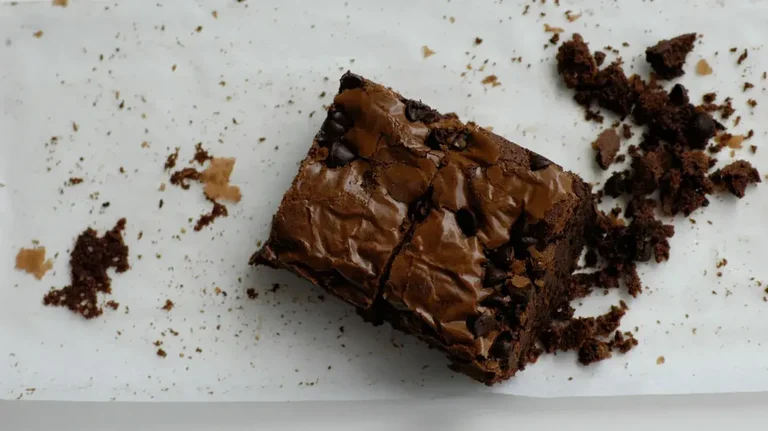
Many home bakers find gluten-free baking a confusing concept. The texture becomes either dry or crumbly. Tastes may be either flat or uneven. Novices commit the same mistakes many times. These are the gluten-free baking mistakes that will destroy confidence in no time. As one understands better, outcomes are quick. Baking is a gluten-free process that requires patience and balance. When you get the fundamentals, then baking is fun again.
Using The Wrong Flour Blend
A massive error is in the use of a single flour. Gluten-free baking does not require one type of flour, but rather blends. Flours react in varying ways through baking. Some take in more liquid than others. Others taste gritty following baking. A proper combination is a mixture of starch, protein, and fiber. This balance assists in the structuring and moisture. Baked goods disintegrate without it. Always select a mixture that is intended to be baked. This is an action that enhances taste and texture immediately.
Omission Of Proper Measurements
Numerous bakers make their guesses rather than measurements. This practice results in big gluten-free recipe issues. Gluten-free flours are very sensitive to changes. Baked goods are dry due to the addition of extra flour. An excessive amount of liquid causes them to be thick. Measuring instruments provide accuracy at all times. Keep dry ingredients at all times. The recipe should be followed initially. Accuracy results in an improved outcome and a reduced number of failures.
Assuming That Gluten-Free Dough Is Going To Behave Like Normal
Gluten-free dough is quite different from wheat dough. It feels wetter and stickier. Most bakers add additional flour to correct this. Such a movement produces arid and incumbent effects. To bake, gluten-free dough must have moisture. Trust the recipe texture. Resting time should be used when recommended. Letting the flour sit gives it a chance to hydrate. The flour is added to enhance the structure without additional flour.
The Neglect Of Binding Ingredients
In traditional baking, gluten gives structure. Gluten-free baking requires substitutes for that structure. Numerous recipes cannot work without the right binders. Eggs, natural gums or fiber are used to hold it all together. Missing any of them brings crumbly outcomes. Follow the directions on the binders. Too little causes collapse. Excessive amounts of it produce sticky textures.
Overmixing The Batter
Most individuals overbake gluten-free batter. They feel that assortment enhances organization. This concept is applicable in certain recipes of wheat. It does not work here. When baked goods are overmixed, they produce dense baked goods. Gentle mixing works best. Bake when ingredients are mixed. A batter can be smooth; however, it is not a better batter. Let the oven do the real work.
Baking At The Wrong Temperature
Inappropriate temperature in the oven results in imbalanced baking. Gluten-free products require constant heating. Low heat makes them dry slowly. The oven thermometer is desirable. Rise and texture are enhanced with constant heat. The time of baking is also a big issue. Before removal, carefully check doneness.
Forgetting Moisture Control
Baked goods that are gluten-free are prone to becoming moist. This issue is disregarded by many bakers. These gluten-free baking mistakes cause drying. It is good to add ingredients that are rich in moisture. Allow use of fruit, yoghurt, or oil. Cover with baked goods as they cool. Keep them adequately after baking. Moisture control is able to keep food fresher.
Not Understanding Flour Sources
There is a difference in the quality of flour. Milling and texture are influenced by climate. Bakers are forced to make changes to recipes. In other regions, flour takes in greater liquid. This is typical of the Gluten Free Flour South Africa. Local flour usually requires additional moisture. Bake in small portions. Slowly increase or decrease amounts of liquids to achieve maximum results.
Repeating The Same Errors
Most bakers attribute the blame to recipes rather than technique. The same actions are repeated again and again. These are recurring gluten-free baking follies that slow the development. Experience is an important lesson. Change one thing at a time. Record notes in the course of baking. Change is achieved by watching and waiting. Every effort develops experience and competence.
Conclusion
Gluten-free baking is a reward for the patient and the curious. First of all, mistakes occur in each. Systematic causes result in improved remedies. Minor modifications will go a long way. Do not make ordinary mistakes and have faith in the process. These are the gluten-free baking mistakes that are not failures. As one practices, the outcomes are better. Baking ought to be fun once again.
Follow us on Facebook for the latest updates, special offers, and exciting discounts!
FAQs
Why is gluten-free baking more difficult than baking?
Gluten-free Baking Mistakes does not have a natural structure. This modification needs alternative methods and greater humidity.
Why do my gluten-free cakes crumble?
The crumbling occurs because of the absence of binders or the absence of moisture. Be selective of balances.
What can I do to make gluten-free bread soft?
Enter an adequate amount of liquid and effective binders. Do not add more flour to the mixing.
Does resting batter help?
Yes, hydration of the flour is possible during resting. This is done to enhance texture and structure.
Thank you this was very helpful.