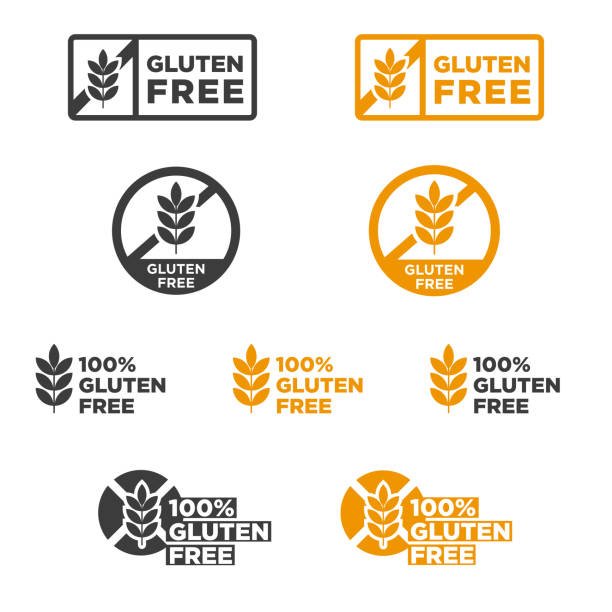
For individuals with celiac disease, gluten sensitivity, or those choosing a gluten-free lifestyle, deciphering gluten-free labels on packaged products can be a daunting task. The good news is that gluten-free labeling has come a long way in recent years, making it easier than ever to identify safe food options. In this comprehensive guide, we will help you understand the ins and outs of gluten-free labeling, from key terms to look for to potential pitfalls to avoid.
Understanding the Basics
Before delving into the specifics of gluten-free labeling, it’s important to grasp the fundamentals. Gluten is a protein found in wheat, barley, rye, and their derivatives. People with celiac disease or non-celiac gluten sensitivity must strictly avoid gluten to maintain their health. This is why accurate labeling is crucial.
The “Gluten-Free” Label
The most straightforward way to identify gluten-free products is by finding the “gluten-free” label on the packaging. However, different countries may have slightly different standards for this label. For instance, in the United States, a product labeled “gluten-free” must contain less than 20 parts per million (ppm) of gluten. In the European Union, the threshold is 20 mg/kg (20 ppm). Always check the specific regulations in your region to be sure.
Key Terms to Look For
- Gluten-Free: As mentioned above, this is the most direct indication that a product is safe for those with gluten-related disorders.
- Certified Gluten-Free: Some products go the extra mile to obtain certification from organizations like the Gluten-Free Certification Organization (GFCO) or the National Celiac Association. These certifications involve rigorous testing and can provide added confidence.
- Naturally Gluten-Free: Many whole foods are naturally gluten-free, such as fruits, vegetables, and most proteins. However, it’s essential to exercise caution when purchasing processed foods, as they may have come into contact with gluten during manufacturing.
- Made in a Gluten-Free Facility: This label is particularly valuable, as it indicates that the product was manufactured in a facility dedicated to gluten-free production, reducing the risk of cross-contamination.
Potential Pitfalls to Avoid
While gluten-free labeling has improved, there are still some potential pitfalls to be aware of:
- Cross-Contamination: Even if a product is labeled gluten-free, it could still be at risk for cross-contamination if it shares equipment or production facilities with gluten-containing products. Look for products that specify they are produced in gluten-free facilities if you have a severe sensitivity.
- Misleading Terminology: Be cautious of terms like “wheat-free” or “no wheat ingredients.” These do not guarantee a product is gluten-free, as barley and rye can still be present.
- Ingredients Lists: Always read the ingredients list carefully. Wheat, barley, and rye can appear under various names, such as malt extract or modified food starch.
- Non-Labeled Products: Not all gluten-free products will carry a gluten-free label, especially if they are naturally gluten-free. Familiarize yourself with safe whole foods and ingredients to make informed choices.
- Alcohol: Alcoholic beverages can be tricky. Some spirits, like whiskey, may contain gluten, but gluten is typically removed during distillation. Check with the manufacturer or choose certified gluten-free options.
Conclusion
Navigating gluten-free labeling requires attention to detail and a good understanding of key terms and potential pitfalls. Always consult with your healthcare provider or a registered dietitian if you have specific dietary concerns. With the right knowledge, you can confidently make food choices that support your gluten-free lifestyle and ensure your health and well-being. Remember, accurate labeling is a crucial step towards a safer gluten-free world.