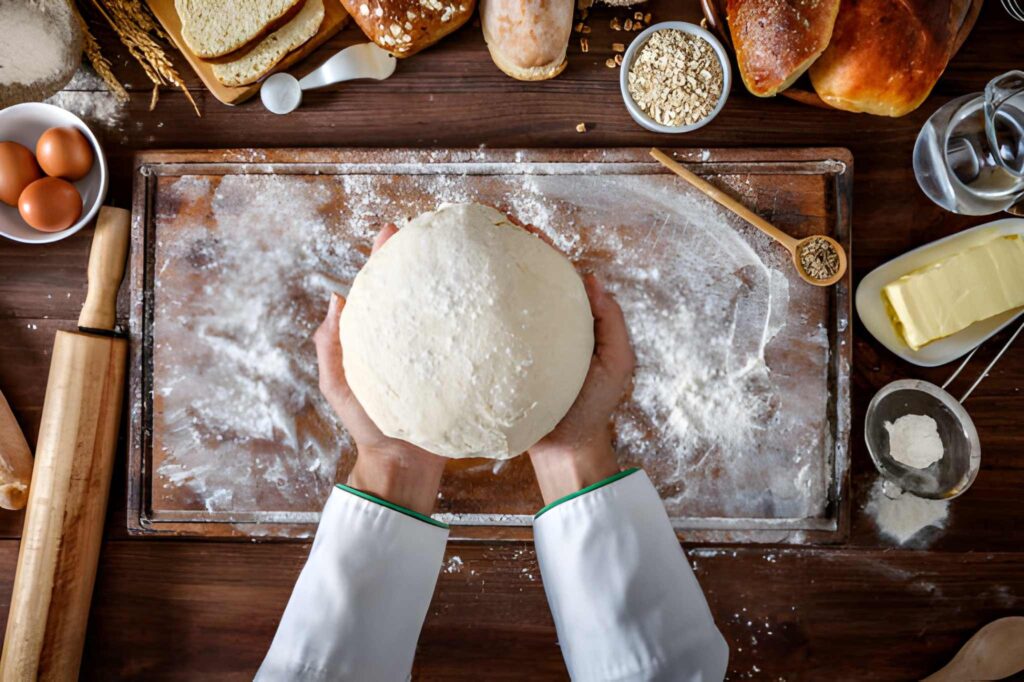
The world of gluten-free baking is overwhelming. However, once you become conversant with the basics of gluten-free Flour in South Africa, you will realise that it is not as challenging as you had thought. Bakery: Baking to eat, dieting, or you simply need to know more about the healthy substitutes.
Understanding the preferences of gluten-free Flour.
What Makes Flour Gluten-Free?
In old-type wheat flour, gluten is a protein that gives baked goods the structure. The gluten-free ones have been working on the same thing by using alternative ingredients. These flours will be prepared using nuts, seeds, grains or starches, and they just lack gluten.
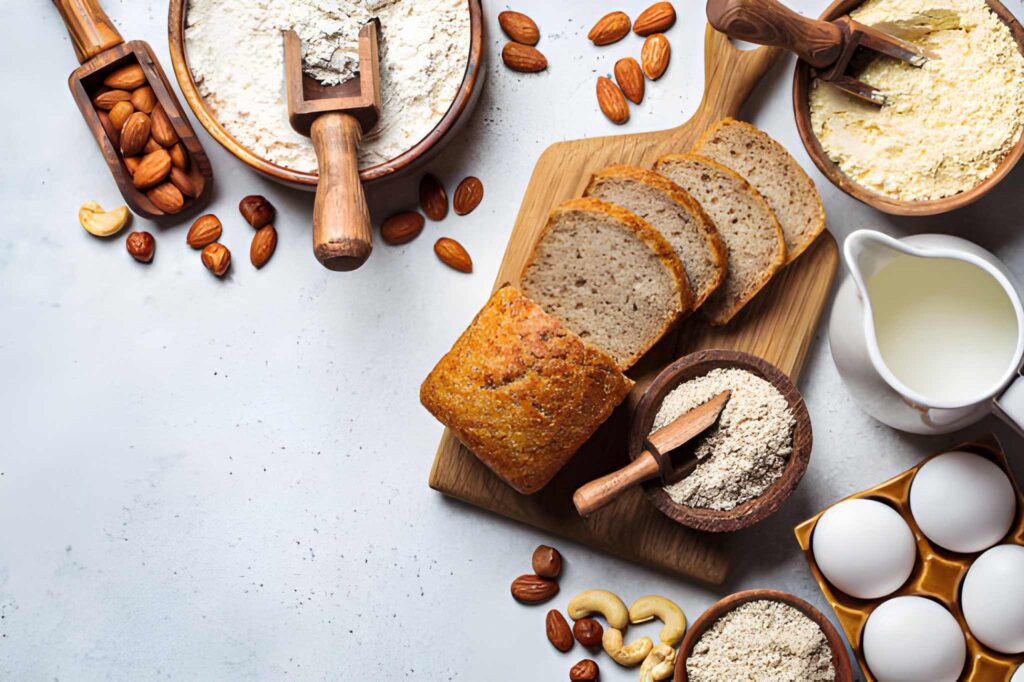
And the most popular ones in South Africa.
South African bakers are able to access good flour. As an example, wet cakes and cookies can be prepared with almond flour that contains a light nutty flavour. Rice flour can be used in additional baked goods like light baked goods like vanilla cakes, cupcakes and other light baked goods.
Sorghum flour is also gaining popularity here. It is locally made and leaves your baked goods with a sweet taste. In the meantime, maize flour gives a beautiful golden colour to muffins and bread.
A Guide to Baking Using Gluten-Free Essentials.
Start with Pre-Mixed Blends
There are no reasons to be scared and combine various flours independently at the outset. Pre-mixed gluten-free flour mixes are the most helpful thing to start with. They consist of combinations of different flours and starches to mimic the behaviour and texture of normal flour.
The Magic of Binding Agents
Gluten-free flour lacks the natural affinity of wheat flour and cannot be made. You will therefore need to have the following binding agents:
- Xanthan gum gives elasticity and does not crumble.
- Psyllium husk provides structure, especially to bread.
- Eggs serve to provide the moisture and to bind the ingredients.
- Chia/flax seeds are a non-vegetarian alternative to eggs.
Moisture is Your Friend
The gluten-free baked goods are more prone to drying. The incorporation of more moisture thus comes in handy. Make an attempt to substitute yoghurt, buttermilk or more eggs in your recipes. In addition, you need to store your baked products in airtight containers so as to extend their life.
Simple Recipes to Try First
Vanilla Cake gluten-free classic cake.
To start off with a basic cake, like a vanilla caramel cake. This formula of pardoning will not punish amateur mistakes. Mixed sugar, vanilla extract, butter, eggs, and gluten-free flour mixture. The result? A light, wet cake that stands against any traditional one.
Easy Bran Muffins
Bran muffins are so accommodating to amateurs. They are to be heavy and dense, which is rather favourable with the gluten-free flour. Add some berries or nuts in case of extra flavour and texture.
Foolproof Mini Bread Loaves
The South African gluten-free flour is also a good mix when it comes to making small loaves of bread. Learn a little at a time because you may end up wasting. The loaves are the best for sandwiches or toast, and they can also be frozen.
Top Ten Scams to Watch out For.
Over-Mixing Your Batter
Unlike baking, there is no chance of over-mixing gluten-free batter since there is no gluten to be formed. However, you do not mind mixing until the time when you mix to get the desired texture.
Skipping the Resting Time
Let your batter rest 15–20 min. Before baking. This helps the flour to absorb water properly. Your baked goods will hence be improved in the texture and will not fall apart easily.
Using Old Flour
The gluten-free flour, especially the nut ones, rancidify faster compared to the wheat flour. Raise the shelf life of flour by verifying expiration dates and storing it in the store and fridge, or freezer.
Where to go with Quality Ingredients.
Supporting Local Bakeries
There is a range of South African gluten-free bakeries, including CrumbleGF, which offer the products, as well as the information on how to bake them at home. They are aware of the local market conditions, and they are able to make suggestions on the best flour brands that will be sold in this locality.
Online Shopping Benefits
Online, you can also find some speciality flours that you may not find in your local supermarket. In addition to this, you can compare prices and a review that has been left by other bakers at home.
Building Your Confidence
Do not want to be perfect at the start, and go small. Flat cakes and crumbly cookies are synonymous with all bakers. The gluten-free baking is even more appropriate, as even the mistakes committed are usually of a fantastic taste. First, make attempts to reproduce your favourite stuff. Love berry cupcakes? Take some of your fresh flour. Suffering in the absence of peppermint desserts? Doubtless, there is a gluten-free one.
Conclusion
Using gluten-free flour to bake in South Africa need not always be a hard task. You will prepare delicious cakes, cookies and breads using the right flour mixtures, the right techniques and with the aid of patience. Always remember that practice is perfection, and every practice you do presents you with something new to know. To start with simple recipes, listen to them, and with a few words, you will be sure enough to make gluten-free, tasty stuff for the family and friends.
FAQs
Q1: Could gluten-free flour be used in place of normal flour in any cooking?
Not directly, gluten-free flour is not directly active, and ratios of liquids will require changing to produce the best results and binding agents employed.
Q2: What will happen to my gluten-free baked goods when I fail to prevent their collapse?
You have to likely add xanthan gum or some other binding agent, or you have to wait longer to bake.
Q3: Has gluten-free flour become more expensive in South Africa?
Yes, it generally sells for more than ordinary flour, but the prices are getting stiffer with a growing demand.
Q4: What is the shelf life of gluten-free flour?
Place it in a refrigerator or a freezer in an airtight container, and it will last 3–6 months, depending on the type.
Q5: Would I be able to make my own blend of gluten-free flour?
Indeed, add rice flour, potato starch and tapioca flour in proportions of one-third, then add in xanthan gum to make a simple generic blend.
Follow us on Facebook for the latest updates, special offers, and exciting discounts!