What we cover in this gluten free article:
What is gluten
What are the first signs of being gluten intolerant?
Navigating GF Social Situations
Which foods contain the highest levels of gluten?
Are potatoes gluten free?
Why is gluten not good for anyone?
Worst gluten foods / worst foods for people with celiac?
What are the best gluten free foods?
Where can you get gluten free flour?
What is gluten?
Over the past century we have made many discoveries about what gluten is. We have developed some excellent alternatives so we don’t miss our favorite gluten-filled goodies. But firstly, what is Gluten and why do so many people have allergies to it?
Gluten is a protein that has no nutrients and is found naturally in some grains, such as wheat, rye and barley. It’s an excellent binder that holds food together like a stretchy, edible glue.
Have you ever tried to roll out rice flour dough? If not, it’s an absolute nightmare because it just falls apart (rice flour contains no gluten).
Interestingly, the word “gluten” is derived from the Latin word for “glue,” highlighting its role in binding ingredients together.
What is Seitan?
Gluten, a protein found in wheat, is a key ingredient of a popular vegan food known as “Seitan,” widely available in today’s market.
But what is Seitan?
Seitan is created by washing a dough ball made from regular wheat flour to remove starch and other components, leaving behind only pure gluten.
It’s important to note that Seitan is not suitable for individuals with gluten allergies or for people with celiac disease. This concentrated “gluten ball” boasts high protein content, with approximately 75g of protein per 100g of Seitan.
What are the first signs of being gluten intolerant / Symptoms of celiac disease?
There are a wide range of symptoms for people who have a gluten intolerance. Most commonly: abdominal pain, gloating or gas, Diarrhea or constipation, skin hives and discomfort in the small intestine.
These symptoms may extend to include depression, fatigue, and asthma, often without an initial connection to gluten. However, it’s typically not until you adopt a gluten-free diet that you notice these symptoms subsiding.
Many people start gluten free diets to help with weight loss. Because gluten free diets usually contain less carbs than a regular diet, weight loss can be achieved.
Navigating GF Social Situations
Social gatherings can be challenging for those following a gluten-free diet. It can be awkward to explain dietary restrictions to hosts or navigate restaurant menus with limited GF options. Here are some tips to help you navigate social situations better:
Plan Ahead: If you are going to an event where food will be served, reach out to the host ahead of time to discuss your dietary needs. Offer to bring a gluten-free dish to share, ensuring there’s at least one option you can enjoy.
Eat Beforehand: If you’re unsure about the gluten-free options available, consider eating a small meal or snack before the event to curb your hunger. This way, you won’t feel deprived if there are limited options for you to choose from.
Communicate Clearly: When dining out with friends or family, don’t hesitate to communicate your dietary needs to the staff. Most restaurants are will accommodate special requests, but they need to know about them in advance.
Which foods contain the highest levels of gluten?
Wheat based products – this could be pizza, bread and crackers
Barley based products – beer, malt drinks, malt vinegar
Are potatoes gluten free?
Simply, yes. Potatoes are gluten free. Gluten is most commonly found in grains & potatoes aren’t a grain. They are a type of starchy vegetable.
Potatoes and potato flour are common in gluten free diets as they are a great source of carbs and nutrients. Potato flour is a staple ingredient in most gluten free breads.
Why is gluten not good for anyone?
This is quite a broad statement but on a nutritional level, gluten has no nutrients in it. It is a majority protein & that’s about it.
Over the last few decades, we eat far more gluten than in the 30’s or 40’s. Think about it, in the 30’s, could you just go to the shops and buy a 10kg bag of bleached, ultra-fine, highly processed, Genetically modified Flour? No.
Naturally, our bodies aren’t meant to eat a high gluten diet.
What are the worst gluten foods (in no particular order)?
We summed up the worst gluten containing foods:
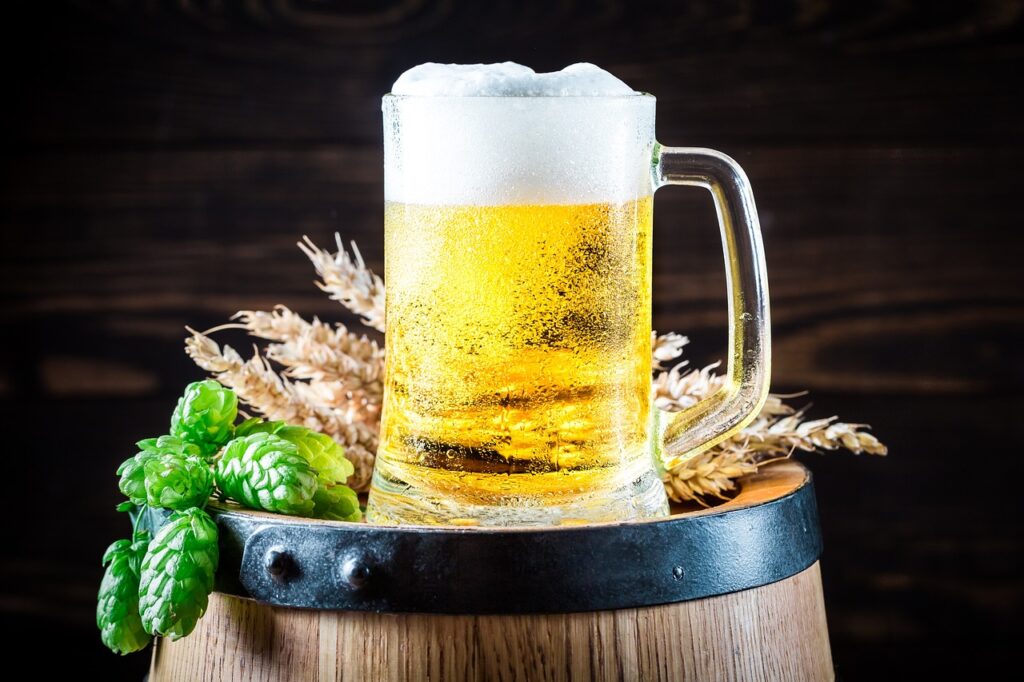
Beer & Malt Beverages – Barley is the main ingredient in beer.
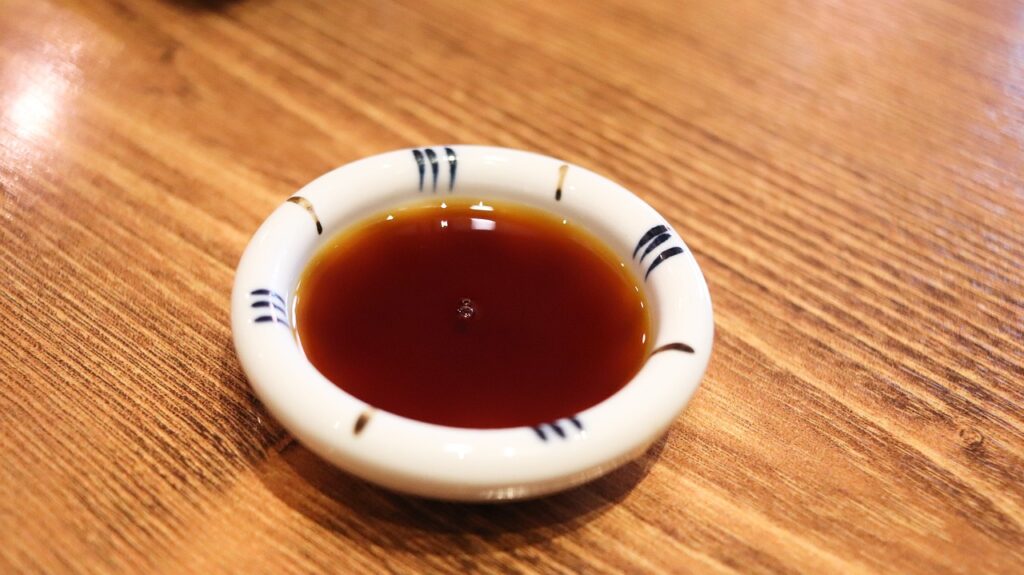
Soy Sauce – one of the main ingredients in soy sauce is wheat.
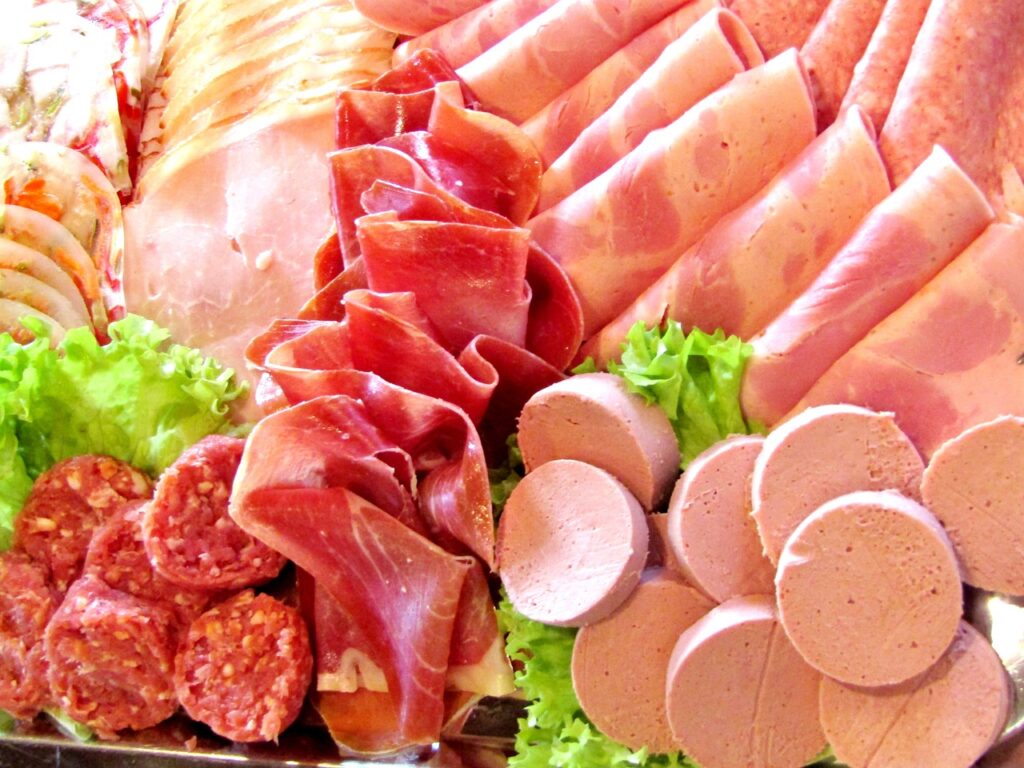
Deli meats – normal flour is often used as a binder and filler, always read the ingredients of your deli meats
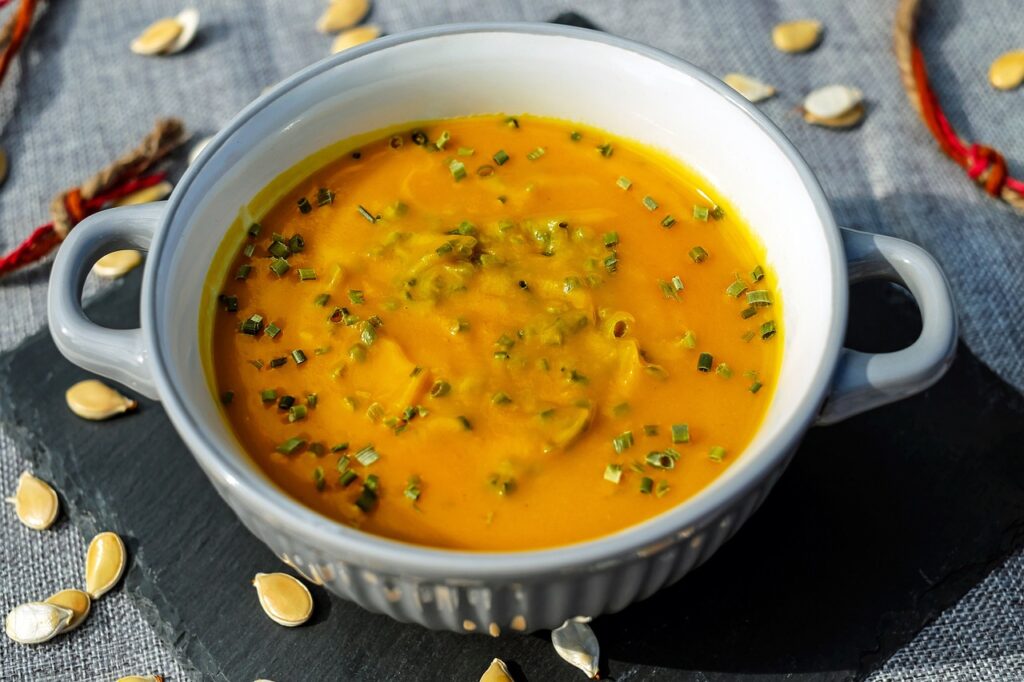
Soups and sauces – most canned and pre packaged soups contain flour (therefore gluten) as a thickening agent.
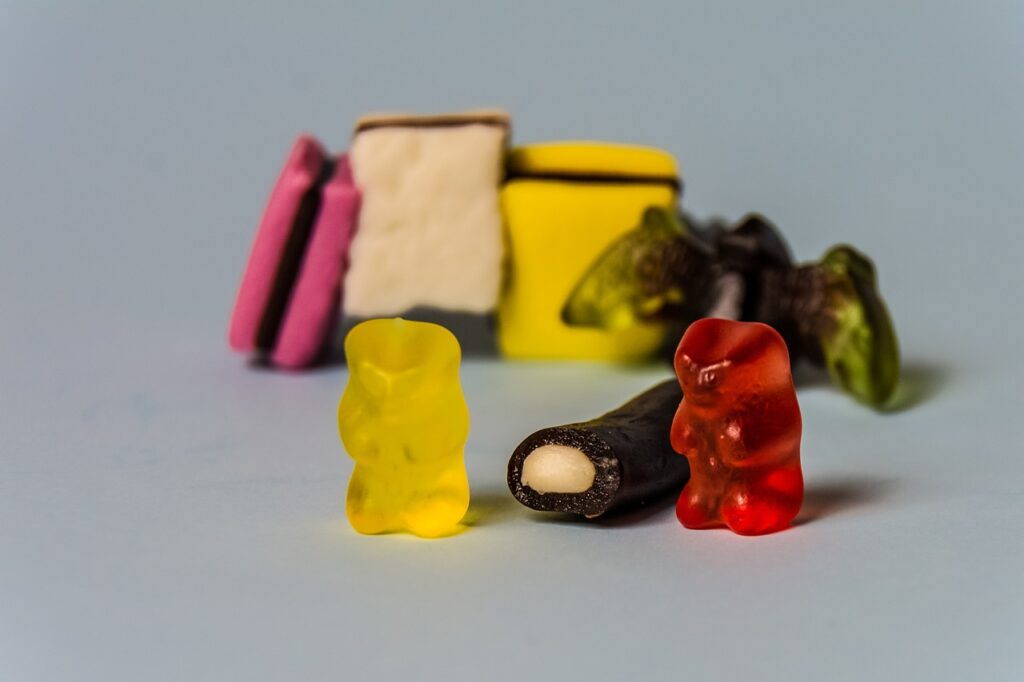
Licorice – traditional black licorice contains wheat flour as a key ingredient
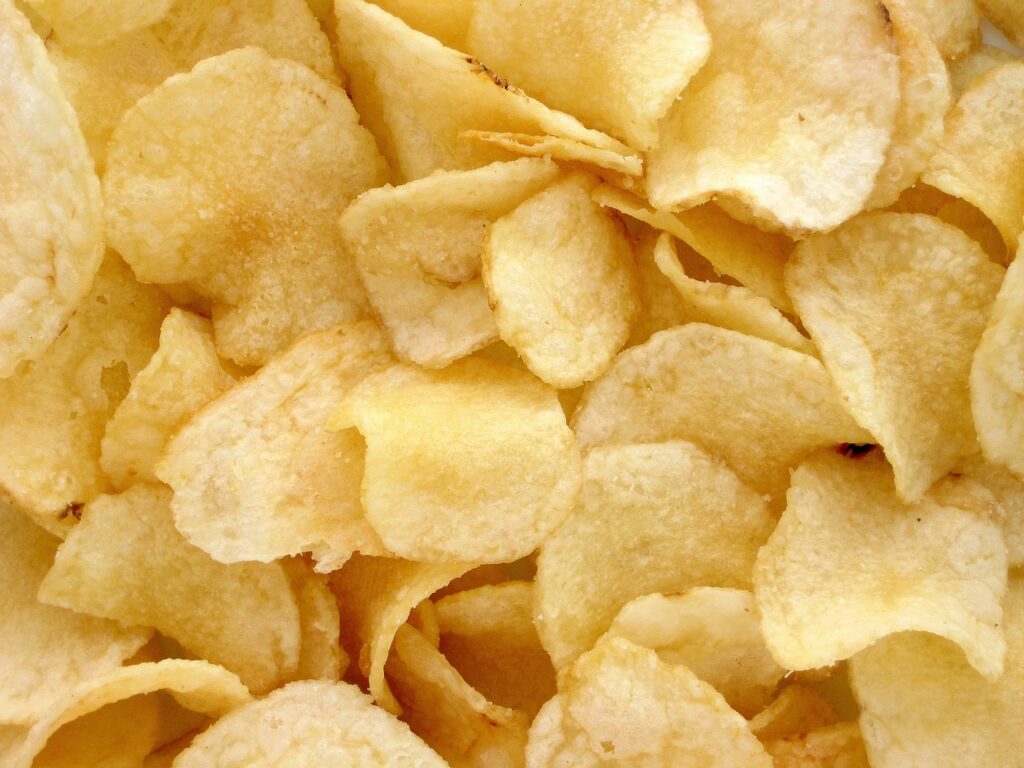
Processed foods – gluten can be hidden in many processed foods such as flavored chips and seasoned snacks.
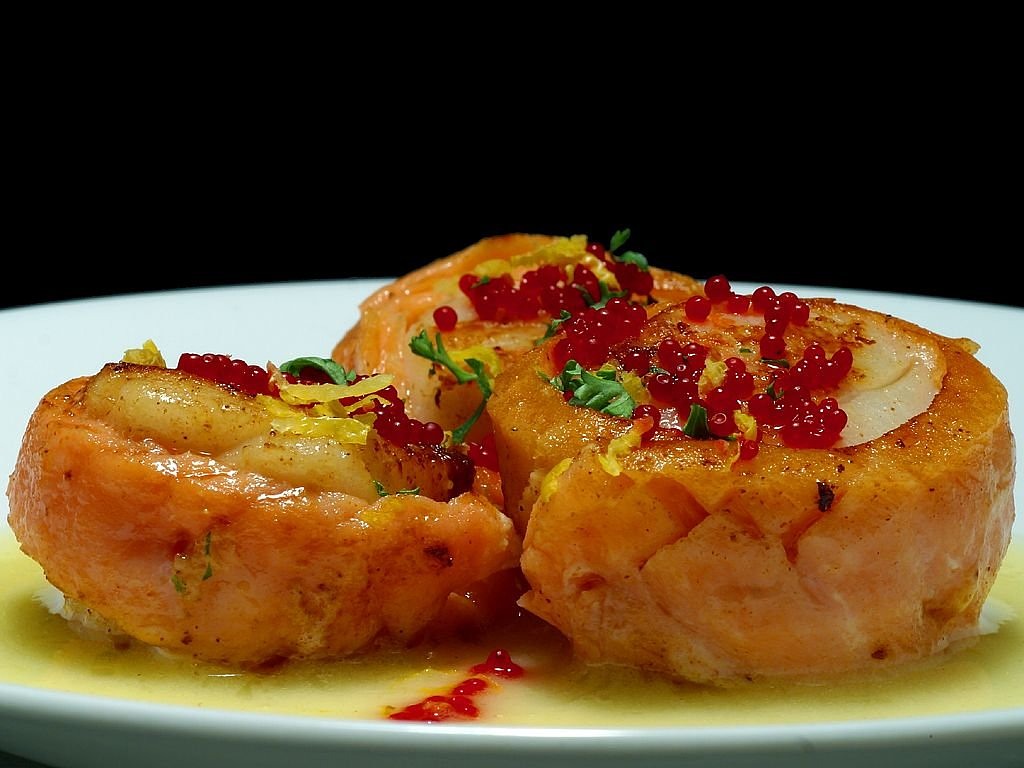
Imitation Seafood – many “fake” seafood contains wheat as a filler or an ingredient in the flavoring process.
What are the best gluten free foods
Many everyday foods have come in contact with gluten. It’s important to know your natural gluten free options.
There are many foods that have excellent nutritional value and are also gluten free, to list a few:
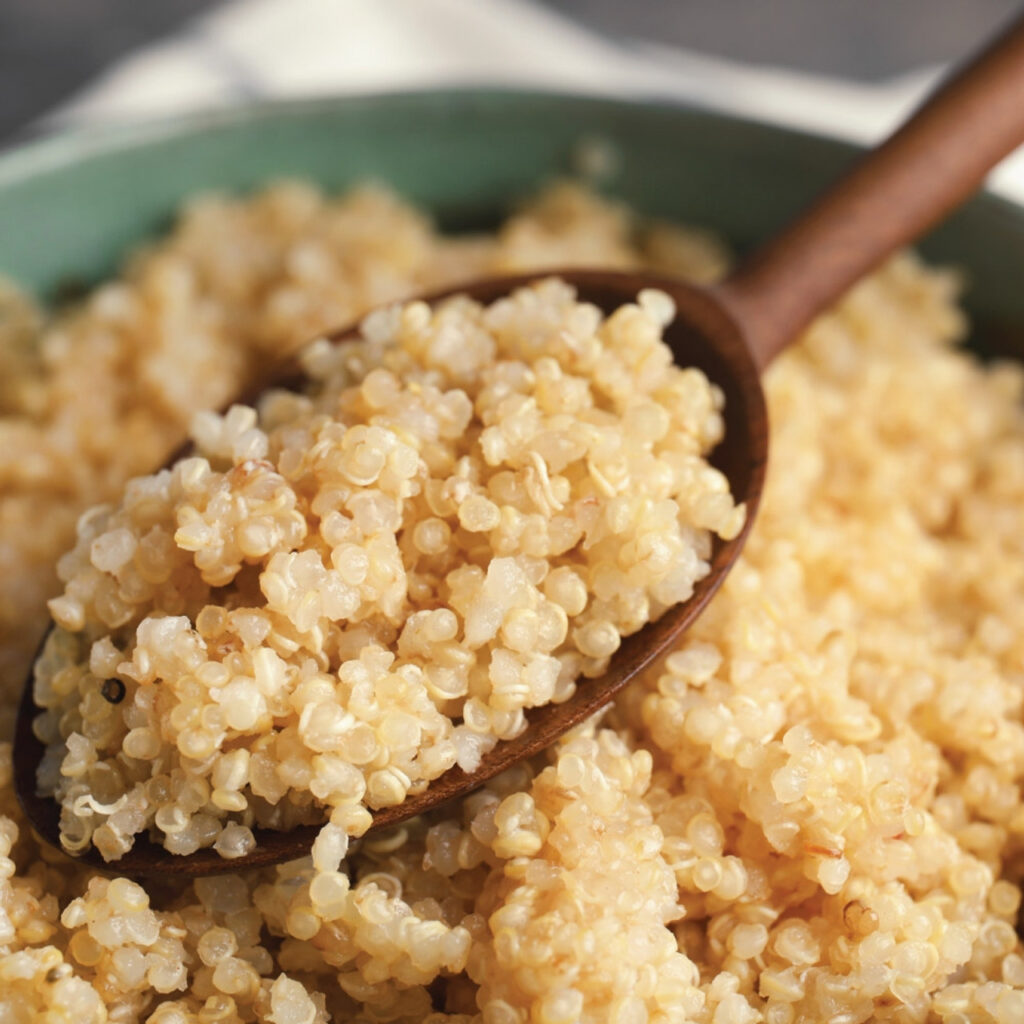
Quinoa – A versatile grain that’s high in protein, fiber, and various nutrients
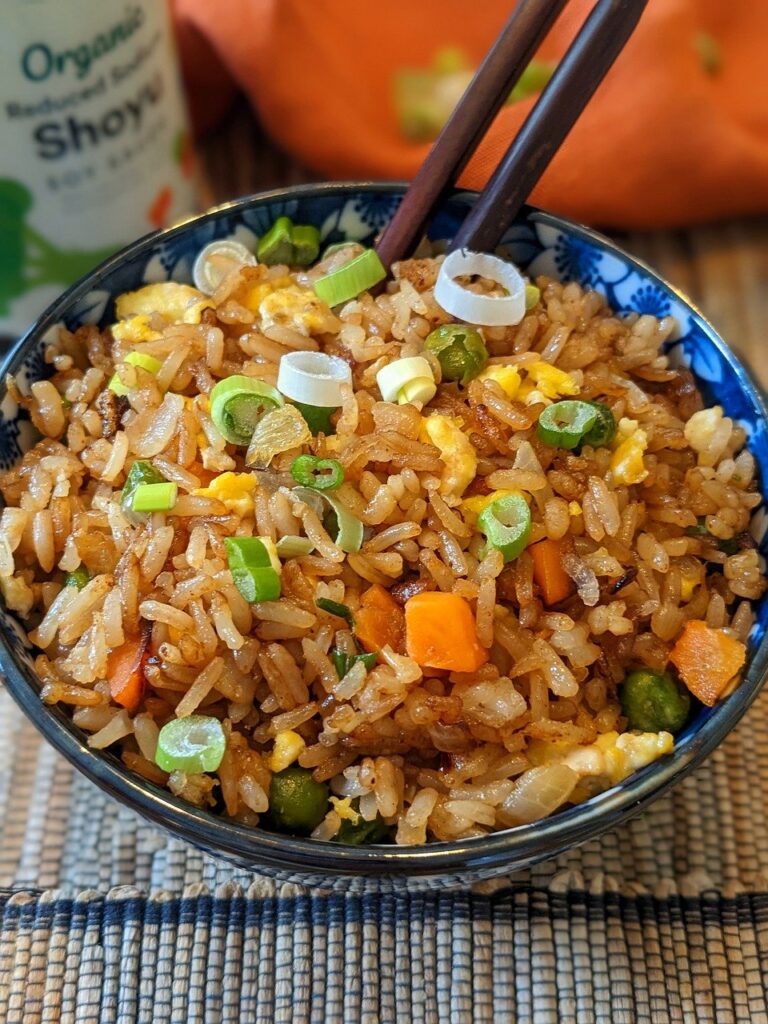
Rice – Another versatile staple that can be used in various dishes like stir-fries, sushi, or risottos.
Corn – Corn and corn products like cornmeal and polenta are naturally gluten-free. Try our gluten free corn flakes HERE.

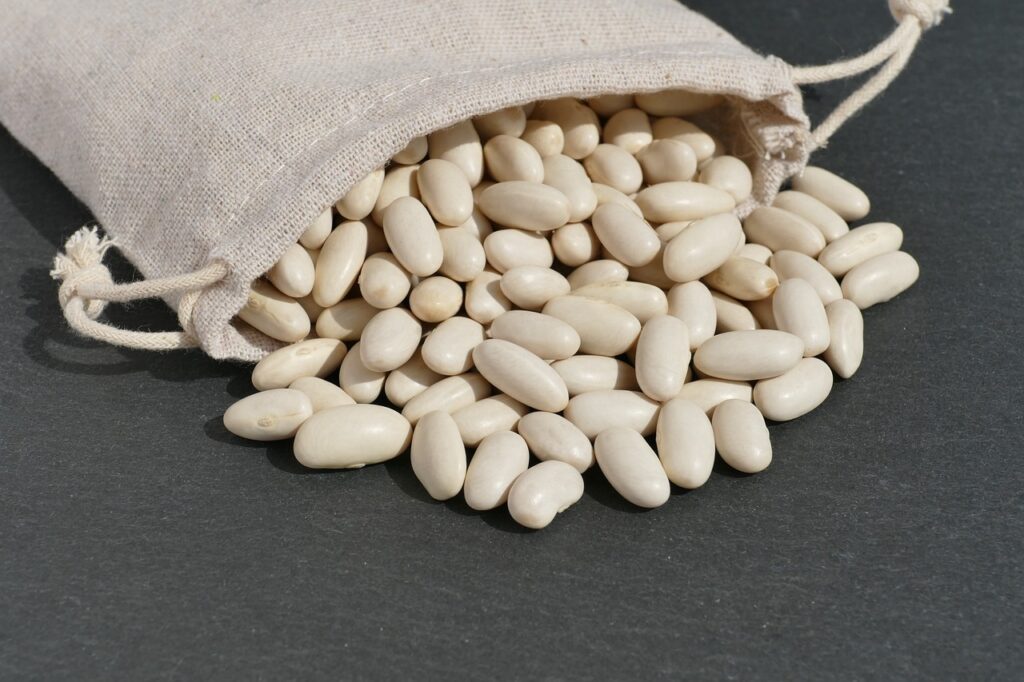
Legumes – Beans, lentils, and chickpeas are excellent sources of protein, fiber, and various nutrients.
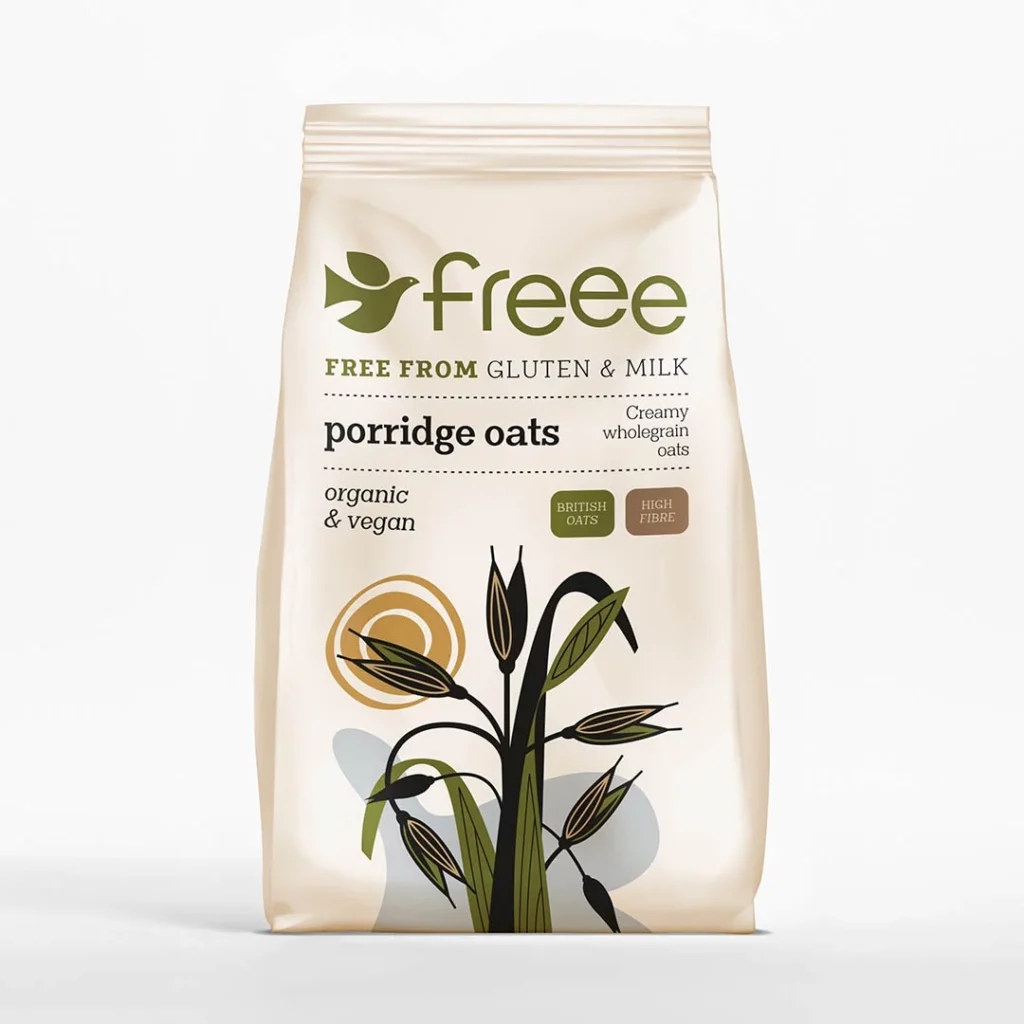
Gluten free oats – Many non-gluten free certified oats have been contaminated with gluten in the processing & packaging process. Get certified gluten free oats HERE.
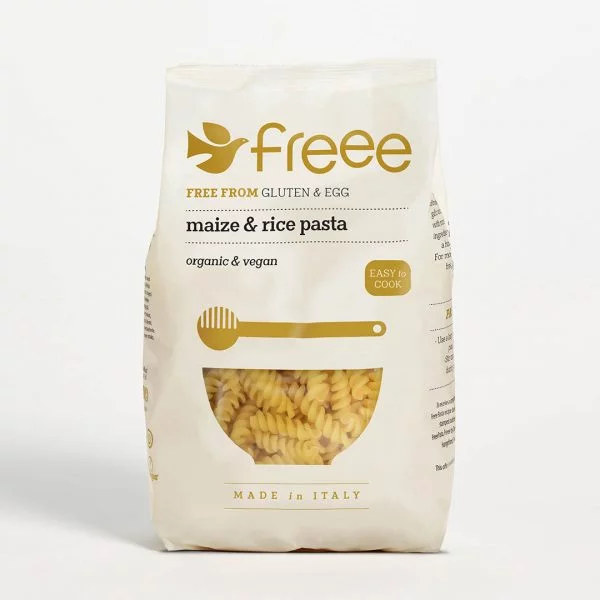
Gluten free pasta – Get our certified organic, gluten free pasta HERE.
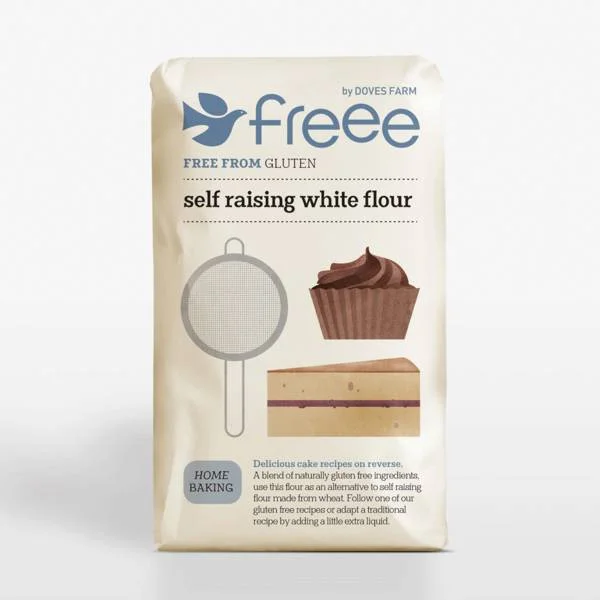
Gluten free flour – Our flour is excellent for your everyday baking and cooking. Get our certified gluten free, organic flour HERE.
For any health or dietary issues or concerns, speak to a registered healthcare professional or registered dietitian.
Hi
Thank you for this information. My daughter cannot eat gluten and this help so much in understanding how it works and what she can eat and not eat.
She loves your bread and finger cookies