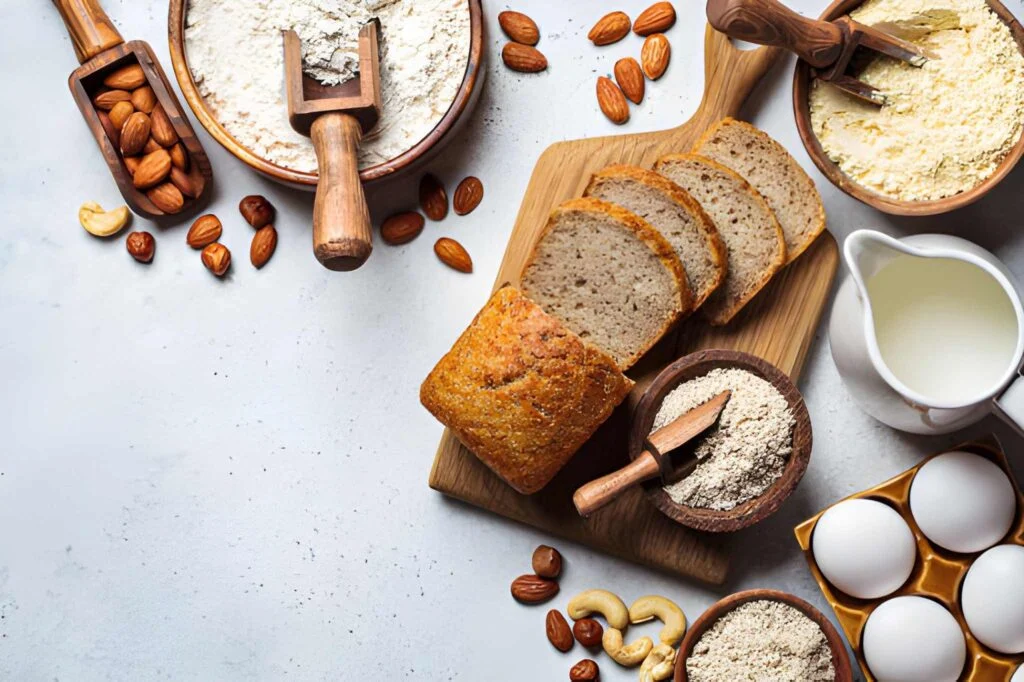
The South African food culture has been diverse, traditional, and an identity. There are a lot of individuals who are more conscious about the ingredients and the impact of food on their bodies. Consequently, gluten-free living in South Africa is now more visible and acceptable. Others practice this way of life because of medical reasons, while others prefer it because it is better to digest and because it is better to be healthy. This change is not a fleeting phenomenon. It is gradually transforming the way food is cooked, eaten and appreciated nationwide.
Increasing Consciousness Of Gluten-Free Lives
There is an awareness of gluten-related health problems that have continued to grow. Personal experience, discussions on nutrition, and doctors have made people know more about gluten sensitivity. Discussions on food intolerance no longer seem strange but rather ordinary. There is an increased time in reading labels and asking questions by the shoppers. This increased consciousness has transformed the buying patterns and diet planning. Eating habits are becoming more conscious, and health is becoming a key element in the choice of food.
There Is Both Traditional And Present-Day South African Food
Cultural South African food has a high emotional connection and meaning. A large number of traditional recipes are based on gluten-containing grains. These modifications enable individuals to have classic food without inconvenience. Culture is not neglected, whereas health needs are addressed through prudent planning.
The Restaurant Scene And Eating Out Revisited
Dining out has been made more inclusive for gluten-free customers. Restaurants have realized the need for information on the clear ingredients. Before deciding where to go, many people go to Google and search for Gluten Free Restaurants Near Me. It is a demand that promotes food handling and preparation techniques in restaurants. Cooks are more conscious of dietary preferences, and employees are well-trained. Diners and restaurants create more trust and make the restaurant experience more relaxed.

Markets, Farmers, And Availability Of Ingredients
The emerging food preferences of consumers are reflected in the local markets. It is now easier to locate gluten-free ingredients. Farmers retaliate by planting other grains that are apt to local climates. These products promote health-conscious consumption and local farming. Customers like more of a selection, as well as helping local manufacturers. Such a relationship will make the local food system stronger and promote sustainable food practices.
Socializing And Dining Together
Food is a major aspect of the social life of South Africa. A gluten-free lifestyle has altered the manner in which parties are organised and held. Individuals have inquiries regarding their nutritional requirements in advance. Menus will usually have alternatives that will be enjoyed by every person. This initiative establishes a feeling of concern and dignity. Visitors are relaxed and at ease at the table. Dining together is not sad, and it is never hollow since it enhances social relationships.
Communities On The Internet And Knowledge Sharing
With the online media, gluten-free awareness has spread in a short time. Individuals give out recipes, cooking tips, and dining experiences. These narratives encourage other people to have new food options. An online community gives support and encouragement for living gluten-free in South Africa. Alterations in local food culture are also brought to the fore in the media coverage. The habits of real life are affected by the information that is shared online. The food culture is still developing based on mutual learning and connectivity.
Health, Identity, Lifestyle Choices
Given the personal identity, gluten-free living is a close association for many people. Being choosy about the food we eat also makes people feel that they are in control of their health. Conscious eating is integrated into everyday life. Such a way of living promotes paying attention to the body and acting accordingly. Even with a change of habits, cultural origins are essential. Modern foods in South Africa are characterized by a balance between tradition and health.
The Future Of The Culture Of Gluten-Free Foods
The food culture of South Africans will undergo some more transformation as more people become aware. The trend of gluten-free living has a high chance of affecting the future trends of eating. Education will favor the improved knowledge of ingredients and nutrition. More focus will be on local foods and natural alternatives. Societies will continue to change collectively.
 Conclusion

A gluten-free lifestyle has changed the South African food culture in some significant aspects. The homes, restaurants, and markets have become more inclusive and conscious. Old traditional foods are adjusted without losing their cultural essence. Health and heritage come to the table. The practice of living gluten-free in South African society keeps on influencing a more considerate and integrative food culture.
Follow us on Facebook for the latest updates, special offers, and exciting discounts!
FAQs
Why is gluten-free living becoming popular in South Africa?
There is more health awareness, and more people are knowledgeable about gluten sensitivity. This growth is also affected by personal wellness decisions.
Is South African traditional food gluten-free?
Yes, most of the traditional recipes could be made with local and natural ingredients and with the same familiar tastes.
Is a gluten-free diet strictly medical as well?
No, some do it to feel good or to digest better. Self-comfort is significant.
Will the gluten-free food culture be able to expand further?
Yes, the increase in awareness and demand will promote constant change and innovation in the food culture.